
2026 marks a turning point in how we work and collaborate, driven by groundbreaking software innovations. From AI-powered assistants to cloud-based platforms, digital tools are now smarter, faster, and more intuitive than ever. Businesses and individuals are discovering ways to streamline tasks, improve efficiency, and stay connected, no matter where they are. Automation, AI insights, and collaborative solutions are redefining workflows, making productivity not just achievable but more enjoyable. Across industries, software is transforming the daily grind into seamless, intelligent operations that keep pace with the demands of a digital-first world.
The Rise of AI-Powered Productivity Tools
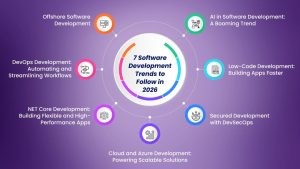
AI assistants like ChatGPT, Gemini, and Grok are reshaping the modern workplace by handling tasks that used to consume hours of human effort. Automated content generation, smart email management, and AI-driven scheduling tools are becoming everyday essentials. Marketing teams rely on AI to draft campaigns, finance teams use it to generate reports, and managers lean on it to optimize calendars and reminders. By taking repetitive and time-consuming tasks off human shoulders, AI allows professionals to focus on creative, strategic, and high-impact work. The result is faster output, fewer errors, and a more efficient, responsive workforce.
Cloud-Based Collaboration Platforms: The New Workplace
Collaboration software in 2026 goes far beyond file sharing and video calls. Modern platforms now integrate messaging, project tracking, and document management into one seamless ecosystem. These tools are essential for hybrid and remote work, allowing teams to stay aligned in real-time regardless of location. Platforms like Notion, Slack, and Microsoft Teams are evolving to offer AI-powered insights and smarter workflow management, making it easier than ever to track progress, share updates, and collaborate on complex projects efficiently.
Automation and Workflow Optimization Software
Automation is no longer a niche advantage—it’s a necessity. Software that schedules tasks, automates processes, and provides AI-driven decision support is transforming how businesses operate. From marketing automation that triggers campaigns based on user behavior to finance tools that reconcile transactions automatically, industries across the board are seeing dramatic efficiency gains. Healthcare, retail, and logistics sectors, in particular, benefit from optimized workflows that reduce manual effort, cut costs, and allow teams to focus on higher-value work.
Integration of Multimedia and Real-Time Data in Workflows
The newest productivity tools merge multimedia capabilities with analytics dashboards and real-time collaboration. Designers can create visuals while team members provide live feedback, and marketers can track campaign performance instantly while adjusting content on the fly. This integration of content creation and data-driven insights streamlines workflows and empowers teams to make informed decisions faster, ultimately improving productivity, creativity, and responsiveness in fast-paced environments.
Security and Privacy Innovations in 2026 Software
As productivity software becomes smarter, cybersecurity is more important than ever. New platforms incorporate AI-driven threat detection, secure file sharing, and privacy-focused collaboration features. Businesses can now maintain efficiency without compromising data security. Protecting sensitive information is no longer an afterthought but a fundamental aspect of modern productivity software, giving teams confidence to innovate while staying secure.
Challenges and Considerations for Adopting New Software
Adopting the latest software isn’t without challenges. Learning curves, integration costs, and ethical considerations around AI use can slow adoption. The best approach involves phased implementation, thorough training, and choosing tools that align with existing workflows. Businesses that plan carefully and prioritize both efficiency and compliance see the greatest benefits while minimizing disruption.
The Future of Productivity Software: What to Expect Beyond 2026
Looking ahead, productivity software will become even more personalized and interconnected. Hyper-personalized AI assistants, seamless cross-platform integrations, and smarter automation will redefine work across industries. Companies that embrace these innovations early will gain a competitive edge, leveraging software not just as a tool but as a partner in achieving business goals. The future promises workflows that are adaptive, intuitive, and highly efficient, turning ambitious plans into actionable results.
Conclusion: Transforming Workflows with Software Innovation
Software innovations in 2026 are reshaping the way we work, making tasks faster, smarter, and more collaborative. From AI assistants to cloud-based collaboration platforms, businesses have more tools than ever to enhance productivity. Embracing these modern solutions is no longer optional—it’s essential for staying competitive and achieving growth in a digital-first world.