
The US Israel Iran war news cycle has become one of the most closely watched topics in global affairs today. Tensions in the Middle East have always carried weight, but recent developments have pushed the situation into sharper focus. From military movements to diplomatic warnings, each update has the potential to shift regional stability and affect the wider world.
For everyday readers, staying informed is no longer optional. The latest updates on Middle East conflict are not just about distant politics. They influence fuel prices, financial markets, and even international travel and security. A single escalation can ripple across continents within hours.
This article brings together verified information, expert perspectives, and a clear explanation of the global impacts of war. Whether you are trying to understand the roots of the conflict or looking for the most recent developments, this guide offers a balanced and human perspective on a complex and evolving situation.
Background: History of US Israel Iran Tensions
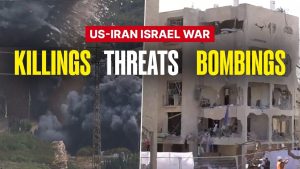
To understand the present, it is important to look at how Iran US relations and Israel Iran tensions developed over time. The roots of this conflict stretch back decades, shaped by political shifts, ideological differences, and regional power struggles.
The United States and Iran have had a strained relationship since the late 1970s, particularly after the Iranian Revolution. Diplomatic ties were severed, and mistrust grew steadily through sanctions, proxy conflicts, and disagreements over nuclear ambitions. Over the years, attempts at negotiation have been made, but progress has often been fragile and temporary.
Israel Iran tensions follow a different but equally complex path. Israel has long viewed Iran as a strategic threat, especially due to its nuclear program and support for armed groups in the region. Iran, on the other hand, has consistently criticized Israel’s policies and presence in the region.
The Middle East conflict history is filled with moments that brought these tensions close to open confrontation. From cyber attacks and targeted strikes to indirect clashes through allied groups, the conflict has often played out in the shadows. What makes the current situation different is the increasing frequency and visibility of direct actions and responses.
Recent Developments and Latest News
The latest US Israel Iran news highlights a rapidly evolving situation with multiple layers of military and diplomatic activity. Recent weeks have seen a noticeable rise in tensions, with both sides sending strong signals.
Reports indicate increased military readiness in key areas, along with strategic deployments that suggest preparation for potential escalation. Iran military actions have included drills and public statements emphasizing defense capabilities, while Israel has continued targeted operations aimed at neutralizing perceived threats.
At the same time, diplomatic channels remain active, though strained. International leaders have called for restraint, and backchannel communications are reportedly ongoing. Economic sanctions have also been a key tool, with new measures targeting financial networks and trade routes linked to Iran.
A timeline of events shows how quickly the situation has developed. What began as isolated incidents has gradually turned into a broader Middle East crisis update, drawing attention from global powers. Each new development is closely analyzed, as even minor actions can trigger wider consequences.
For readers following the situation, it can feel overwhelming. The constant flow of information makes it difficult to separate confirmed updates from speculation. This is why relying on verified sources and understanding the broader context is essential.
US Involvement and Strategy
The US strategy in Middle East affairs continues to play a central role in shaping the direction of the conflict. The United States has maintained a strong alliance with Israel, providing both military aid and diplomatic support.
US military aid Israel has included advanced defense systems, intelligence sharing, and logistical assistance. This support is often framed as part of a broader commitment to regional security and stability. At the same time, the United States has to balance its actions carefully to avoid direct large scale confrontation.
Iran US tensions have influenced many policy decisions. Sanctions remain a primary tool, aimed at limiting Iran’s economic and military capabilities. However, these measures also come with global consequences, particularly in energy markets.
Another important aspect of US involvement is its relationship with other countries in the region. Alliances with Gulf nations and ongoing negotiations with international partners all contribute to a complex strategic landscape. The goal is not only to support allies but also to prevent the conflict from expanding beyond control.
Israel’s Defense Measures and Military Actions
Israel military operations have been a key part of the ongoing developments. The country has focused on strengthening its defense systems while also carrying out targeted actions aimed at reducing threats.
One of the most well known elements of Israel defense strategy is its advanced missile defense systems. These systems are designed to intercept incoming threats and protect civilian areas. In recent updates, there have been reports of increased deployment and testing of these systems.
In addition to defensive measures, Israel has conducted operations that it describes as necessary for national security. These actions often target specific locations or individuals linked to hostile activities. Israel Iran conflict updates frequently mention these operations as part of a broader effort to deter future attacks.
Diplomatically, Israel has also been active, engaging with international partners to explain its position and seek support. The balance between military action and diplomatic outreach is a delicate one, especially as global attention remains focused on every move.
Iran’s Position and Regional Influence
Iran war strategy reflects both its domestic priorities and its role in the wider Middle East power dynamics. The country has consistently emphasized its right to defend itself while also projecting influence across the region.
Iranian military actions in recent updates include exercises, strategic positioning, and public demonstrations of capability. These actions are often accompanied by strong statements from political leaders, reinforcing a message of resilience and readiness.
Beyond direct actions, Iran’s influence extends through alliances and partnerships in the region. This network plays a significant role in shaping the overall dynamics of the conflict. It allows Iran to exert pressure without always engaging in direct confrontation.
Understanding Iran’s position requires looking at both internal and external factors. Economic pressures, political considerations, and regional ambitions all contribute to its approach. For observers, this adds another layer of complexity to an already intricate situation.
Global Reactions and Economic Impact
The global response to Middle East conflict has been swift and varied. Organizations like the United Nations and the European Union have called for calm, urging all parties to avoid actions that could escalate tensions further.
Neighboring countries are particularly concerned, as they are most directly affected by any changes in the situation. Diplomatic efforts are ongoing, with many nations attempting to mediate and prevent a wider conflict.
The economic impact of US Israel Iran war is already being felt in several areas. Oil prices have shown volatility, reflecting concerns about supply disruptions. This, in turn, affects fuel costs and inflation in many parts of the world.
Stock markets have also reacted to the uncertainty, with investors closely monitoring developments. Global trade routes, especially those passing through key regions, face potential risks. International sanctions Iran policies add another layer of complexity, influencing trade and financial systems.
For ordinary people, these impacts can show up in everyday life, from higher travel costs to changes in the price of goods. It is a reminder that global events are often closer to home than they seem.
Expert Analysis and Predictions
US Israel Iran war analysis from experts offers valuable insights into what might happen next. Military analysts, political experts, and historians all bring different perspectives to the table.
Some experts believe that the current situation will remain controlled, with both sides avoiding full scale war due to the high costs involved. Others warn that the risk of miscalculation is significant, especially in a tense environment where decisions are made quickly.
Middle East conflict predictions often focus on possible scenarios. These include continued low intensity confrontations, increased diplomatic efforts, or in a worst case situation, a broader regional conflict. Each scenario carries its own set of consequences.
The future of Iran Israel US relations will likely depend on a combination of factors, including leadership decisions, international pressure, and unexpected events. While predictions can provide guidance, the reality is that the situation remains highly uncertain.
Conclusion and Key Takeaways
The US Israel Iran conflict summary shows a situation that is complex, evolving, and deeply significant on a global scale. From historical tensions to the latest Middle East war news, each element plays a role in shaping what comes next.
For readers, the key takeaway is the importance of staying informed through reliable sources. The situation can change quickly, and understanding the broader context helps make sense of individual updates.
As developments continue, keeping an eye on diplomatic efforts, economic indicators, and expert analysis will provide a clearer picture of where things are heading. The story is still unfolding, and its impact will likely be felt far beyond the region.