
Modern video games are no longer just about graphics and storylines—they are evolving into intelligent, responsive worlds that react to player actions in real time. This transformation is largely powered by real time AI game engines, which allow game environments to dynamically respond, adapt, and even anticipate player behavior. Popular platforms like Unreal Engine and Unity, along with proprietary AI systems developed by top studios, are pushing the boundaries of what is possible in interactive entertainment. By integrating AI into game engines, developers can create worlds that feel alive, with NPCs that make meaningful decisions and environments that change according to player choices. These smarter systems are not just enhancing gameplay—they are redefining the way we experience virtual worlds.
What Are Real Time AI Game Engines
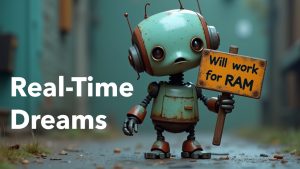
A real time AI game engine is a software framework that combines traditional game development tools with artificial intelligence to create adaptive, intelligent gameplay. Unlike standard engines that follow pre-scripted behavior, these systems allow NPCs and environments to respond to players dynamically. Key features include dynamic NPC behavior, where characters react realistically to player actions, adaptive environments that evolve during gameplay, and decision-making systems that ensure gameplay remains unpredictable and engaging. Terms like AI powered game engines, game AI systems, and real time AI technology in gaming capture the essence of this innovation. Essentially, these engines make game worlds feel alive, giving players a sense that their actions truly shape the game universe.
How Real Time AI Works Inside Modern Game Engines
The magic behind real time AI lies in its ability to process data and make decisions instantly. Behavior trees guide NPC decision-making, allowing characters to perform complex actions based on multiple conditions. Machine learning models help AI learn from player interactions, making enemies or allies smarter over time. Pathfinding algorithms determine the most efficient movement through game environments, while procedural generation creates dynamic landscapes and objects on the fly. These systems work together to ensure that the game world reacts immediately to player input. Every move, attack, or choice is analyzed by AI in real time, resulting in responsive, immersive gameplay that evolves uniquely for each player.
Key Technologies Powering AI Driven Game Engines
Several cutting-edge technologies form the backbone of intelligent game engines. Machine learning enables NPCs to adapt based on player strategies. Neural networks mimic human-like decision-making patterns. Procedural content generation automatically creates levels, landscapes, or quests, reducing the need for manual scripting. Natural language processing allows NPCs to understand and respond to player dialogue in realistic ways. Finally, reinforcement learning trains AI agents to improve through trial and error, ensuring increasingly challenging and engaging interactions. Together, these technologies make game worlds smarter, dynamic, and capable of delivering experiences that feel truly alive.
Examples of Games Using Advanced AI Systems
Several popular games demonstrate the power of AI powered game engines. In The Last of Us Part II, enemy AI reacts intelligently to player tactics, creating tense and unpredictable encounters. Red Dead Redemption 2 uses advanced NPC behavior to make its open world feel alive, from townsfolk to wildlife. Middle Earth: Shadow of Mordor introduced the Nemesis System, where enemies remember interactions with players and evolve accordingly. These examples show how AI-driven interactions create immersive gameplay that goes beyond pre-scripted events, offering players a deeper sense of agency and realism in their virtual adventures.
Benefits of Real Time AI Game Engines for Players and Developers
For players, real time AI game engines deliver smarter NPCs, dynamic storytelling, and unpredictable gameplay that keeps experiences fresh. For developers, these engines simplify world-building, reduce manual scripting, and enable scalable game environments that can adapt to millions of players. Investing in AI powered game development tools allows studios to create more ambitious games with reduced production time, ultimately delivering richer, more engaging experiences for gamers while optimizing development resources.
Challenges and Limitations of AI Powered Game Engines
While AI enhances games, it comes with challenges. High computing requirements can limit accessibility, and balancing AI difficulty is essential to avoid frustrating or boring players. Development complexity increases as AI systems need constant testing and refinement. Additionally, ethical concerns around NPC behavior, such as realistic violence or biased decision-making, must be carefully managed. Addressing these limitations is crucial for creating trustworthy, enjoyable AI-driven game experiences that satisfy both players and developers.
The Future of Real Time AI in Gaming
The future of gaming promises fully autonomous NPC characters, AI-generated game worlds, and player-specific storylines that adapt uniquely to each user. Cloud AI and edge computing will enable more complex real time calculations without overloading local devices. In this future, no two players may experience the same game world, creating highly personalized, immersive gameplay. Real time AI is poised to transform gaming from a scripted experience into a dynamic, ever-evolving universe where players’ choices truly matter.
Frequently Asked Questions About AI Game Engines
What is a real time AI game engine?
It is a game engine that uses AI to make environments and characters respond dynamically to players.
Which game engines support AI development?
Popular engines include Unreal Engine, Unity, and several proprietary platforms.
How does AI improve NPC behavior?
AI enables NPCs to learn, adapt, and react to player actions in real time.
Can AI create entire game worlds?
Yes, technologies like procedural generation and machine learning allow AI to design landscapes, quests, and environments.
Will AI replace traditional game developers?
AI assists developers but cannot replace human creativity in storytelling and design.
Conclusion: The Next Evolution of Intelligent Gaming
Real time AI game engines are transforming the way games are built and experienced. By combining machine learning, neural networks, and procedural generation, developers can create responsive, adaptive worlds where every choice matters. As AI continues to advance, players can look forward to more immersive, unpredictable, and personalized gaming adventures than ever before.