
A fresh wave of controversy has entered global headlines after Iran’s Speaker openly dismissed recent remarks by former US President Donald Trump as “fake news.” At the center of this debate lies a sensitive issue that stretches far beyond politics oil markets and the delicate balance that keeps them stable. Trump’s claims about Iran’s role in oil supply and pricing have sparked sharp reactions, raising concerns about whether such statements can influence real market behavior.
For many observers, this is not just another political exchange. Oil prices are deeply tied to geopolitical signals, and even a single statement from a prominent leader can ripple across global markets within hours. Investors, traders, and governments watch closely because billions of dollars can shift based on perception alone.
This situation highlights an important reality narratives matter. Whether accurate or disputed, public claims about oil supply and geopolitical tensions can shape expectations and move markets. Understanding what was said, why Iran reacted so strongly, and how it affects the global economy is essential for anyone tracking energy trends today.
What Did Trump Say?
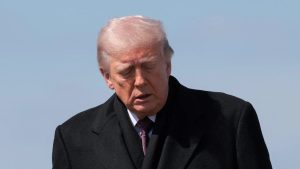
Donald Trump’s recent statements focused on Iran’s influence in global oil markets, suggesting that the country’s actions were contributing to instability in pricing and supply. While the exact wording varied across appearances, the core message implied that Iran’s role in oil exports and geopolitical maneuvering was more significant than publicly acknowledged.
These comments were reportedly made during public appearances and media interactions where Trump addressed broader issues of energy security and US foreign policy. He framed the situation as part of a larger narrative about global oil control, hinting that certain actors were benefiting from market uncertainty.
Initial reactions were mixed. Some analysts viewed the remarks as political rhetoric aimed at reinforcing long standing positions on Iran. Others, particularly in financial circles, paid closer attention to the potential market implications rather than the political intent. Even speculation alone can influence trading behavior, especially in a market as sensitive as oil.
Media coverage quickly amplified the statements, bringing them into global focus. This rapid spread is typical in today’s information environment, where news cycles move fast and markets respond even faster.
Iran’s Response: “Fake News” Allegation Explained
Iran’s response came swiftly and with a firm tone. The country’s Speaker dismissed Trump’s claims as “fake news,” signaling a strong rejection of both the content and the intent behind the statements. This was not a casual rebuttal but a calculated message aimed at both domestic and international audiences.
According to Iranian officials, the claims were misleading and lacked factual grounding. They argued that such statements distort the reality of Iran’s role in global oil supply and unfairly portray the country as a destabilizing force. From their perspective, the narrative serves political objectives rather than reflecting actual market dynamics.
The language used in the response suggests deeper concerns about perception. In global markets, perception can be as powerful as reality. By labeling the claims as fake news, Iran is attempting to counter any potential damage to its image and influence in the energy sector.
There is also a strategic dimension to this rebuttal. Publicly challenging the claims helps Iran position itself as a rational actor while questioning the credibility of opposing narratives. This back and forth is not unusual in geopolitics, especially when economic interests are at stake.
How Political Statements Impact Oil Markets
Oil markets are uniquely sensitive to geopolitical developments. Unlike many other commodities, oil prices are influenced not only by supply and demand but also by expectations, fears, and speculation. A single statement from a global leader can trigger immediate reactions among traders.
When a political figure speaks about oil supply, sanctions, or regional tensions, market participants quickly reassess risk. This can lead to sudden price movements even if there is no immediate change in actual production levels. Traders often act on anticipated scenarios rather than confirmed realities.
There have been several instances in the past where political comments caused noticeable shifts in oil prices. Announcements related to sanctions, military tensions, or production cuts have historically led to spikes or drops in crude benchmarks. These movements are often amplified by media coverage and algorithmic trading systems that react instantly to news.
Investor sentiment plays a major role. If the market believes that a statement संकेत potential disruption, prices may rise due to perceived scarcity. On the other hand, reassurance or positive developments can lead to declines. In this environment, communication itself becomes a powerful tool.
Is Market Manipulation Possible Through Public Statements?
The idea that public statements can influence markets raises an important question can this be considered manipulation? The answer is not straightforward.
Leaders and policymakers regularly make statements about economic and geopolitical issues. These are often part of normal communication and policy signaling. However, when such statements significantly affect market behavior, the line between communication and influence becomes blurred.
Experts generally agree that while direct manipulation involves deliberate actions to control prices, indirect influence through statements is harder to define legally. There is no clear rule that prevents leaders from expressing opinions, even if those opinions impact markets.
That said, the power of words should not be underestimated. High profile figures know that their statements carry weight. In some cases, repeated messaging can shape market expectations over time. Whether intentional or not, this can lead to outcomes that resemble manipulation in effect, if not in definition.
Real world examples show that markets often react strongly to political narratives. While not illegal in most cases, such influence highlights the complex relationship between communication and economic outcomes.
Global Oil Market Reaction So Far
Following the exchange between Trump and Iranian officials, oil markets showed signs of cautious movement rather than dramatic shifts. Prices for major benchmarks like Brent crude and West Texas Intermediate experienced minor fluctuations as traders assessed the situation.
Market participants appeared to take a measured approach, recognizing that while the statements were significant, they did not immediately alter supply conditions. Analysts noted that the response from Iran helped balance the narrative, reducing the likelihood of sharp reactions.
Energy companies and institutional investors are closely monitoring developments. In such situations, uncertainty often leads to short term volatility rather than long term trends. The key factor remains whether the rhetoric translates into policy changes or tangible disruptions.
For now, the market response reflects a mix of caution and skepticism, with traders waiting for clearer signals before making major moves.
Broader Geopolitical Context
To fully understand this situation, it is important to consider the broader context of US Iran relations. Tensions between the two countries have persisted for years, shaped by sanctions, nuclear negotiations, and regional conflicts.
Energy has always been a central element in this relationship. Iran holds significant oil reserves, but its ability to export has been affected by international restrictions. These constraints have made the country a focal point in global energy discussions.
The history of the nuclear deal and subsequent policy changes continues to influence market perceptions. Each development in diplomatic relations can impact expectations about oil supply.
Additionally, organizations like OPEC and its allies play a crucial role in managing production levels. Their decisions often interact with geopolitical developments, creating a complex web of influences on oil prices.
In this environment, statements from major political figures are rarely isolated. They are part of a larger narrative that shapes global energy dynamics.
What This Means for Consumers and Businesses
For everyday consumers, the connection between political statements and oil prices may not seem obvious at first. However, changes in crude prices eventually affect fuel costs, transportation, and even the price of goods.
Businesses, especially those reliant on logistics and energy, are particularly sensitive to these fluctuations. Even small changes in oil prices can impact operating costs and profit margins.
Uncertainty in the market can also contribute to inflationary pressures. When energy costs rise, they tend to ripple across the economy, influencing everything from food prices to manufacturing expenses.
This is why developments like the current controversy matter beyond political circles. They have real world implications that can affect daily life.
Expert Opinions and Analysis
Experts offer a range of perspectives on the situation. Some economists argue that the immediate impact of political statements is often overstated, especially when there is no change in actual supply. They emphasize that fundamentals still drive long term trends.
Others highlight the psychological aspect of markets. According to energy analysts, perception can influence short term behavior, creating volatility even in stable conditions. This makes communication an important factor in market dynamics.
Geopolitical specialists point out that both sides are engaging in strategic messaging. From this view, the exchange is less about factual disagreement and more about shaping narratives that align with broader policy goals.
Overall, the consensus is that while the current situation may not lead to major disruptions, it underscores the growing role of information in global markets.
Conclusion
The clash between Iran and Donald Trump over oil related claims reflects a deeper truth about today’s global economy words carry weight. What may begin as a political statement can quickly become a market signal, influencing decisions across continents.
Iran’s decision to label the claims as fake news highlights the importance of controlling narratives in an interconnected world. At the same time, the measured reaction from oil markets suggests that traders are becoming more cautious in interpreting such developments.
As the situation evolves, the focus will remain on whether rhetoric turns into action. For now, it serves as a reminder that in the world of energy, perception and reality are often closely linked.
FAQs
Q1. Why did Iran call Trump’s claims fake news?
Iran rejected the statements because it believes they misrepresent its role in global oil markets and are politically motivated rather than fact based.
Q2. Can political statements really affect oil prices?
Yes, they can influence market sentiment and expectations, leading to short term price movements even without changes in supply.
Q3. What is the current impact on global oil markets?
So far, the impact has been limited to minor fluctuations, with traders taking a cautious approach.
Q4. How do geopolitical tensions influence energy prices?
Tensions can create uncertainty about supply and demand, which often leads to volatility in oil prices as markets react to perceived risks.