
Fantasy football trades can already be tricky in redraft leagues, but dynasty leagues add another layer of strategy. Instead of focusing on just one season, dynasty managers are building a roster that could compete for years. Every trade must consider both immediate production and long term value.
This is where things get complicated. A manager might be trading a productive veteran for a young player who has not fully broken out yet, or exchanging a star player for multiple future draft picks. Comparing those different types of assets can be difficult without a structured approach.
That is why many fantasy managers rely on a dynasty trade calculator. Tools like this help evaluate whether both sides of a trade offer similar value based on data, rankings, and projections. By combining statistics with future outlook, a calculator can give managers a clearer picture before they accept or reject a deal.
What Is a Dynasty Trade Calculator and How It Works
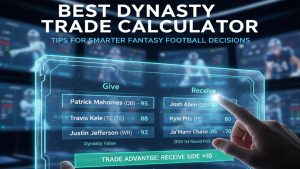
A dynasty trade calculator is a tool designed to help fantasy football managers evaluate trades in dynasty leagues. Instead of guessing whether a trade is fair, the calculator assigns values to players and draft picks so both sides of the deal can be compared objectively.
Most calculators work by combining multiple data sources. Player rankings, performance projections, historical trends, and age curves all play a role in determining value. When you enter the players and picks involved in a trade, the tool calculates whether one side has an advantage.
For example, if you are considering trading a young wide receiver for a future first round pick, the calculator will estimate the relative value of each asset. It can also factor in league format, scoring settings, and positional demand.
You can explore a practical example of how these tools work using this dynasty trade calculator
While no calculator can perfectly predict future performance, it provides a helpful starting point for making smarter trade decisions.
Why Player Value Changes Quickly in Dynasty Leagues
One of the most fascinating parts of dynasty fantasy football is how quickly player values shift. A breakout performance can dramatically increase a player’s trade value, while injuries or declining performance can have the opposite effect.
Age is one of the biggest factors. Young players with strong potential often gain value over time, especially if they show flashes of elite talent. On the other hand, veterans may still produce strong fantasy numbers but lose dynasty value because their long term outlook is limited.
Team situation also matters. A running back who suddenly becomes the starter after an injury may gain significant value overnight. Similarly, a wide receiver who joins a high powered offense could see his outlook improve quickly.
Because of these constant changes, dynasty managers must regularly reassess their roster and trade options. Staying informed about player performance, team dynamics, and future opportunities is essential for long term success.
Understanding Rookie Pick Value in Dynasty Trades
Rookie draft picks are one of the most important assets in dynasty leagues. Unlike redraft leagues, where draft picks disappear after each season, dynasty rookie picks represent future opportunities to add young talent to your roster.
Early rookie picks often carry the highest value because they offer access to top prospects. Players selected at the beginning of the first round frequently become cornerstone pieces for dynasty teams.
Mid round picks still provide value but come with more uncertainty. Late round picks are generally considered long shots, though they can occasionally produce surprise breakout players.
A dynasty trade calculator helps managers compare the value of these picks with established players. For example, it can estimate whether trading a veteran running back for a mid first round rookie pick is a balanced deal based on current projections and historical success rates.
Understanding the long term potential of rookie picks is a key part of dynasty roster building.
Balancing Immediate Production vs Long Term Potential
One of the biggest decisions dynasty managers face is choosing between winning now and building for the future. Some teams are in a strong position to compete for a championship immediately, while others may be in rebuilding mode.
Contending teams often prioritize players who can produce right away. A veteran wide receiver or running back may be more valuable to a contender than a rookie who might take a year or two to develop.
Rebuilding teams usually take the opposite approach. They focus on acquiring young players and future draft picks that could become valuable assets later.
Trade calculators help visualize this balance. They can show whether a trade leans toward short term production or long term potential. Managers can then decide whether the deal fits their overall strategy for the season and beyond.
Key Factors a Dynasty Trade Calculator Considers
Player Age Curve
Age plays a major role in dynasty value. Younger players generally hold more long term value because they have more seasons ahead of them. Running backs often decline earlier than other positions, while quarterbacks and wide receivers may remain productive for longer.
Positional Value
Different positions carry different importance depending on league format. In superflex leagues, quarterbacks become extremely valuable because managers can start more than one. In other formats, elite wide receivers may carry higher long term stability.
Team Situation and Opportunity
A player’s environment also affects his value. Coaching changes, offensive systems, and depth chart competition can all influence future production.
For instance, a receiver who becomes the top target in a strong offense might see his dynasty value increase quickly. Calculators attempt to account for these factors when estimating player worth.
Common Dynasty Trade Mistakes and How Calculators Help Avoid Them
Even experienced fantasy managers sometimes make emotional trade decisions. One common mistake is overvaluing hype players after a single big performance. Another is trading away future picks without fully considering their potential value.
Managers may also give up young players too early if they have a slow start to their career. Many future stars needed time to develop before becoming consistent fantasy producers.
A trade calculator adds a layer of objectivity to these decisions. By comparing player and pick values based on data rather than emotion, managers can quickly see whether a deal is balanced.
This does not mean the calculator should make every decision for you, but it provides a useful second opinion before finalizing a trade.
How to Use a Dynasty Trade Calculator Effectively
Using a dynasty trade calculator is straightforward once you understand the process.
First, enter the players involved in the trade. This could include veterans, rookies, or prospects on either side of the deal.
Next, add any draft picks included in the trade. Future first round picks usually carry the most value, but the calculator will estimate the impact of each selection.
After entering all assets, compare the values for both sides. Many tools display a numerical score or percentage difference to show which side has the advantage.
You should also adjust for league format and scoring settings. Some leagues place more emphasis on certain positions, which can affect trade value.
Finally, consider your roster strategy. Even if a trade appears slightly uneven on paper, it might still make sense if it strengthens your team’s long term plan.
Example Dynasty Trade Scenario Using a Calculator
Imagine a manager offers a veteran wide receiver who consistently scores strong fantasy points in exchange for a young receiver and a future first round pick.
At first glance, the deal might seem risky for the manager giving up the proven veteran. However, a dynasty trade calculator might show that the combined value of the young player and future pick actually exceeds the veteran’s long term outlook.
For a rebuilding team, accepting the trade could make perfect sense because it adds youth and future flexibility. A contending team, however, might prefer to keep the veteran for immediate production.
Tools like these help clarify the trade balance and make the decision easier.
Tips for Winning More Dynasty Trades
Successful dynasty managers often follow a few consistent strategies when making trades.
One effective approach is trading players before their value declines. Veterans nearing the end of their peak years can often be exchanged for younger assets while they still hold strong market value.
Another strategy is targeting potential breakout players early. Managers who identify rising talent before the rest of the league can gain a significant advantage.
During rebuilding phases, collecting future draft picks can also provide flexibility and long term upside.
The key is staying informed and reacting quickly when player values shift.
Conclusion: Using Data to Build a Strong Dynasty Roster
Dynasty fantasy football rewards patience, strategy, and long term planning. Every trade has the potential to shape your roster not just for this season but for several years into the future.
Because players, rookies, and draft picks all carry different types of value, evaluating trades can become complicated. That is where tools like dynasty trade calculators become incredibly useful.
By combining data, projections, and historical trends, these tools help managers see whether a trade is balanced before making a final decision. When used alongside personal judgment and league knowledge, they can significantly improve the way dynasty trades are evaluated.
In the long run, the managers who make the most informed decisions are often the ones who build the strongest and most consistent dynasty teams.