
In recent years, a growing narrative has taken hold across the tech world. The idea is simple but powerful: artificial intelligence might replace software companies altogether. With tools like ChatGPT and AI coding assistants producing code in seconds, it is easy to see why this fear is spreading.
Developers are asking tough questions. Startups are rethinking their business models. Investors are watching closely. If AI can build apps, write code, and automate workflows, where does that leave traditional software companies?
But here is the reality that often gets overlooked. Software companies are not disappearing. They are evolving. Instead of being replaced, they are learning how to use AI as a powerful tool to grow faster and build smarter products.
This debate matters because it affects everyone involved in the tech ecosystem. Developers, founders, and businesses all need to understand where things are heading. The future of the software industry is not about AI versus humans. It is about how both can work together to create something better.
Why People Believe AI Could Replace Software Companies
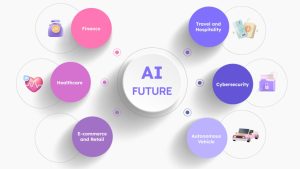
The fear did not appear out of nowhere. It is driven by real advancements that are hard to ignore. AI coding tools have become incredibly capable. Platforms like GitHub Copilot and ChatGPT can generate functional code in seconds, often reducing hours of work into minutes.
This has led to faster development cycles. Tasks that once required entire teams can now be handled by a single developer with AI assistance. For startups and freelancers, this shift feels both exciting and threatening at the same time.
There is also a growing perception that large engineering teams may no longer be necessary. If AI can handle repetitive coding tasks, why maintain a big team? This question has made many professionals uneasy about their future.
Startups, in particular, feel the pressure. With lower barriers to entry, more competitors can build products quickly using AI tools. The result is a crowded market where standing out becomes harder.
All of this contributes to a simple but misleading conclusion: AI might replace software companies. In reality, the situation is more nuanced.
The Reality: AI Is a Tool, Not a Replacement
AI is powerful, but it is not independent. It relies heavily on human input, direction, and supervision. While it can generate code, it does not fully understand business goals, user needs, or long term product strategy.
Complex software systems require careful planning and architecture. These are areas where human expertise still plays a critical role. AI can assist, but it cannot replace the judgment and experience of skilled developers and engineers.
There are also clear limitations. AI models can produce incorrect or inefficient code. They may overlook edge cases or create solutions that do not scale well. Without human oversight, these issues can quickly turn into costly problems.
Real world examples highlight these gaps. Teams that rely entirely on AI often spend additional time fixing errors or rewriting code. In many cases, AI speeds up the process but does not eliminate the need for human involvement.
Creativity is another key factor. Building software is not just about writing code. It involves solving problems, designing user experiences, and making decisions that align with business goals. These are areas where humans still have the advantage.
How Software Companies Are Adapting to AI
Instead of resisting change, many software companies are embracing AI as part of their strategy. They are integrating AI into their products to deliver more value to users. This shift is visible across industries, from productivity tools to enterprise software.
One major trend is the rise of AI powered SaaS platforms. Companies are adding features like automation, predictive analytics, and intelligent recommendations. These enhancements make products more useful and competitive.
At the same time, organizations are investing in their teams. Developers are learning how to work with AI tools effectively. This includes understanding prompts, reviewing AI generated code, and combining human insight with machine efficiency.
Another important shift is the adoption of hybrid workflows. Instead of replacing developers, AI is being used to support them. Routine tasks are automated, allowing teams to focus on higher level work such as design, strategy, and innovation.
This approach is proving to be effective. Companies that adopt AI thoughtfully are often able to move faster without sacrificing quality.
New Opportunities Created by AI for Software Companies
While AI introduces challenges, it also creates new opportunities that did not exist before. One of the most noticeable trends is the rise of AI first startups. These companies are built around AI capabilities from the ground up, offering innovative solutions across various industries.
There is also increasing demand for AI integration services. Many businesses want to use AI but lack the expertise to implement it. Software companies are stepping in to fill this gap, providing customized solutions and support.
Cloud computing is another area experiencing growth. AI systems require significant computing power, which drives demand for cloud infrastructure. This creates new revenue streams for companies operating in this space.
In addition, AI enables better automation and personalization. Businesses can analyze data more effectively and deliver tailored experiences to their users. Software companies that leverage these capabilities can gain a competitive edge.
Rather than shrinking the market, AI is expanding it. It opens doors for new products, services, and business models.
Case Studies: Companies Thriving in the AI Era
Several companies have already demonstrated how to succeed in an AI driven environment. Microsoft is a strong example. By integrating AI into its products, including tools like Copilot, it has enhanced productivity for millions of users.
Google is another major player. It continues to embed AI across its ecosystem, from search to cloud services. This approach strengthens its position in the market while creating new opportunities for growth.
Smaller startups are also finding success. Many are pivoting their offerings to include AI features or building entirely new products around AI capabilities. These companies often move quickly, adapting to changes and experimenting with new ideas.
The key lesson from these examples is clear. Success does not come from avoiding AI. It comes from understanding how to use it effectively and aligning it with business goals.
Challenges Software Companies Still Face
Despite the opportunities, software companies are not without challenges. One of the biggest issues is increased competition. As AI tools become more accessible, more players can enter the market with fewer resources.
Data privacy is another concern. AI systems rely on large amounts of data, which raises questions about security and ethical use. Companies must navigate these issues carefully to maintain trust.
The cost of AI infrastructure can also be significant. Training and running AI models requires substantial investment, which may not be feasible for smaller organizations.
There is also a growing talent gap. Skilled professionals with expertise in AI are in high demand. Finding and retaining this talent can be difficult, especially for companies with limited resources.
These challenges highlight the importance of strategy. Companies need to balance innovation with responsibility and sustainability.
What This Means for Developers and Tech Jobs
For developers, the rise of AI represents a shift rather than a threat. The skills required in the industry are evolving. Understanding how to work with AI tools is becoming just as important as traditional programming knowledge.
Roles are changing as well. Developers are spending less time on repetitive tasks and more time on problem solving and system design. This shift can lead to more meaningful and engaging work.
Despite concerns, demand for developers remains strong. Businesses still need skilled professionals to build, maintain, and improve their software. AI can assist, but it cannot replace the human element entirely.
Those who adapt to these changes are likely to find new opportunities. Learning AI related skills can open doors to roles that did not exist a few years ago.
The Future of Software Companies in an AI Driven World
Looking ahead, the future of the software industry appears balanced. AI will continue to play a major role, but it will not replace software companies. Instead, it will reshape how they operate.
Collaboration between humans and AI will become the norm. Companies that embrace this approach will be better positioned to succeed. At the same time, new AI native companies will emerge, bringing fresh ideas and competition.
The long term outlook is not about decline. It is about transformation. Software companies that adapt will continue to thrive, while those that resist change may struggle.
This moment represents a turning point. It is not the end of the industry but the beginning of a new phase.
Conclusion
The fear that AI will destroy software companies is understandable, but it is not entirely accurate. AI is changing the industry in significant ways, but it is also creating new opportunities for growth and innovation.
Software companies are not standing still. They are adapting, evolving, and finding ways to use AI to their advantage. For developers and businesses, the message is clear. The future belongs to those who are willing to learn and embrace change.
The real question is not whether AI will replace software companies. It is how quickly companies can adapt to a world where AI is part of everyday development.
FAQs
Will AI replace software developers?
No, AI is more likely to assist developers rather than replace them. It helps automate tasks but still requires human oversight and creativity.
How are software companies using AI?
They are integrating AI into products, improving workflows, and offering new services such as automation and data analysis.
Is AI a threat to SaaS businesses?
AI can increase competition, but it also creates opportunities for SaaS companies to enhance their offerings and reach new markets.
What skills are needed in the AI era?
Skills such as AI literacy, prompt writing, system design, and critical thinking are becoming increasingly important.