
The world of graphic design is undergoing a major transformation in 2026, thanks to the rapid rise of AI-powered tools. Designers and creative professionals are now able to streamline workflows, generate fresh ideas, and bring projects to life faster than ever before. From text-to-image generators and logo creators to UI/UX assistants, AI tools are becoming an indispensable part of the modern design toolkit. What was once time-consuming and repetitive is now being handled with smart algorithms that free designers to focus on creativity and innovation.
The Evolution of Graphic Design with AI
Traditional design workflows often involved long hours of trial and error—from selecting the perfect color palette to aligning complex layouts. AI is changing all of that. Modern AI tools can automatically suggest color schemes, generate design assets, and even propose layout adjustments, reducing repetitive work. For example, a designer creating a social media campaign can now rely on AI to produce multiple variations of a banner within minutes, rather than spending hours manually tweaking elements. This shift allows creators to spend more time refining concepts, experimenting with bold ideas, and focusing on the emotional impact of their designs.
Key AI Design ToolsA Shaping 2026
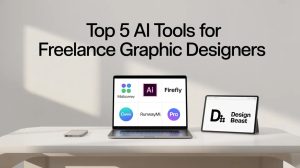
Several AI-powered platforms are defining the landscape of graphic design in 2026. MidJourney excels at generating high-quality artistic visuals from text prompts, perfect for concept art or promotional graphics. Adobe Firefly integrates seamlessly into creative suites, providing smart suggestions for images, colors, and effects. Canva AI simplifies branding and marketing material creation with instant templates and adaptive design suggestions. Runway focuses on video and motion graphics, making AI-assisted editing accessible to small studios. Finally, DALL·E 3 offers unprecedented flexibility in creating imaginative, custom visuals in seconds. These tools are not just faster—they enable designers to explore creative directions they may never have considered, turning abstract ideas into polished designs quickly.
Benefits of AI in Graphic Design Workflows
AI brings tangible benefits to design workflows. Iterations and prototyping are faster, allowing teams to test multiple concepts in the same time it used to take to produce one. AI-generated suggestions often spark new creative directions, enhancing originality rather than replacing it. For freelancers and small studios, AI tools are cost-effective alternatives to large teams or extended timelines. Additionally, AI promotes collaboration by acting as a co-creator, providing insights and suggestions that complement human intuition, ultimately making design projects more dynamic and innovative.
Challenges and Considerations for Designers
Despite the advantages, over-reliance on AI can risk diminishing the personal touch that makes design unique. Designers need to navigate ethical considerations, including copyright issues and ownership of AI-generated content. It’s essential to strike a balance: using AI as a creative partner while preserving human creativity, storytelling, and emotional impact ensures that designs remain authentic and resonant with audiences.
Future Trends: AI and Graphic Design Beyond 2026
Looking ahead, AI is expected to integrate even more deeply into immersive technologies like VR and AR, motion graphics, and interactive experiences. Fully autonomous design assistants could handle entire projects, from concept to execution, but the role of human designers will evolve rather than disappear. Designers will become visionaries and directors, guiding AI tools to execute ideas while ensuring originality and emotional resonance. This synergy between human and machine promises a future where creativity is amplified beyond current limits.
Conclusion: Embracing AI as a Design Partner
AI is reshaping graphic design workflows, enabling faster, smarter, and more inspired work. By embracing AI as a collaborative partner rather than a replacement, designers can enhance productivity while maintaining their unique creative voice. As AI continues to evolve, the design industry will experience new heights of innovation, making 2026 a pivotal year in the intersection of technology and artistry.