
Artificial intelligence is reshaping how graphic design is done. Today, designers, marketers, and businesses are turning to AI tools to make their workflows faster and more creative. These tools are no longer just assistants, they’re collaborators that can generate images, suggest layouts, and even propose color schemes in seconds. By automating repetitive tasks, AI Design allows creators to focus on the imaginative parts of design, helping them bring concepts to life more efficiently. The result is not just faster production, but also more innovative and polished visuals that stand out in crowded digital spaces.
What Are AI Design Tools?
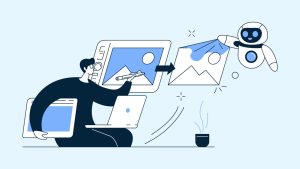
AI design tools are software programs that use machine learning and generative AI to help create visual content. They can produce high-quality images, design logos, automate layouts, remove backgrounds, and perform smart edits, all with minimal manual input. For example, a designer can describe an idea, and AI tools generate multiple versions instantly. These tools make design accessible even to non-experts, while speeding up professional workflows. Popular tasks include image generation, logo creation, automatic layout adjustments, background removal, and AI-powered editing, helping creators focus on creativity rather than repetitive steps.
Why Graphic Production Is Becoming Faster With AI
AI dramatically increases design productivity by automating tasks that once took hours. Designers can now generate templates instantly, apply AI-assisted color schemes, resize images, and produce batches of social media content in minutes. For example, a social media manager can create a week’s worth of posts using AI templates, saving hours of manual work. AI also handles repetitive editing, allowing designers to dedicate their energy to refining visuals and experimenting with new concepts. The combination of speed and quality ensures that projects are completed faster without compromising creativity, making AI an essential tool for modern design workflows.
Top AI Design Tools Creators Are Using in 2026
Several AI tools are leading the way in creative production. Adobe Firefly excels at realistic image generation and smart editing. Canva Magic Studio simplifies layout creation and social media graphics. Midjourney is known for highly artistic AI-generated visuals. DALL·E quickly transforms text prompts into imaginative images. Runway ML focuses on video and motion graphics, while Microsoft Designer offers an intuitive interface for creating marketing content efficiently. Each tool has its strength, and many creators use them together to streamline their workflow and maximize creative output.
How AI Is Changing the Workflow of Graphic Designers
Modern design workflows are evolving with AI integration. Designers start with idea generation, then leverage AI to create initial images. Next comes editing, layout design, and final export. This blend of human creativity and AI assistance allows designers to iterate faster, test multiple concepts, and produce professional results with less effort. AI doesn’t replace creativity; it enhances it, letting designers focus on the storytelling, emotion, and polish that make visuals truly impactful.
Benefits of AI Design Tools for Businesses and Content Creators
AI design tools benefit both small businesses and content creators by making marketing content faster and more affordable. Companies can maintain consistent branding across campaigns and scale their creative output without hiring large teams. Digital creators can produce social media graphics, banners, and ads in minutes instead of hours. AI tools also allow rapid testing of multiple designs, helping businesses and creators quickly identify what resonates with their audience. The result is a smarter, more efficient creative process with greater reach and engagement.
Limitations and Challenges of AI Design Tools
Despite their advantages, AI tools have limitations. Designs can sometimes look generic or overused if creators rely solely on AI. Copyright concerns may arise when generating content from prompts. Dependence on AI can also reduce skill development in human designers. While AI speeds up production, human creativity, judgment, and editing remain essential to produce unique, high-quality visuals that align with brand identity.
Future of AI in Graphic Design
Looking ahead, AI will become an even more integral part of design. We can expect AI-powered assistants offering real-time suggestions, collaborative design environments, personalized graphics, and even AI-driven video and motion graphics creation. These innovations will allow creators to experiment faster, collaborate seamlessly, and generate visuals tailored to specific audiences, making the creative process more dynamic and responsive than ever before.
Conclusion
AI design tools are transforming the way creators work, offering speed, efficiency, and new creative possibilities. While human creativity remains irreplaceable, AI helps designers, marketers, and businesses produce stunning visuals faster and at scale. The future of design will be a partnership between human imagination and intelligent automation, opening doors to limitless creative potential.