
Digital health monitoring is rapidly changing the way we approach our well-being. Unlike traditional healthcare, which often relies on periodic checkups, digital health tools allow people to track their health continuously, giving them real-time insights into vital signs, activity levels, and lifestyle habits. Preventive healthcare is becoming a global priority, as early detection and proactive measures can prevent chronic diseases and reduce healthcare costs. Smart technology, including wearable devices and mobile apps, empowers individuals to stay informed about their health and make adjustments before minor issues become serious. From tracking sleep patterns to monitoring heart rates, these innovations are giving people and healthcare providers an unprecedented level of control over personal health.
What Is Digital Health Monitoring
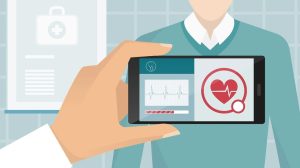
Digital health monitoring refers to the use of connected technology to observe and analyze an individual’s health status in real time. Unlike traditional checkups, which provide a snapshot of health at a single moment, digital monitoring offers continuous insights. Common examples include wearable fitness trackers, smartwatches, blood pressure monitors, glucose meters, and mobile health apps. These tools not only collect data but also help users identify trends, spot irregularities, and make informed decisions. By bridging the gap between patients and healthcare providers, digital monitoring transforms reactive care into proactive health management, creating opportunities for earlier interventions and healthier lifestyles.
The Rise of Smart Health Technology
Smart health technology has seen remarkable growth over the past few years. Wearable devices such as smartwatches and fitness bands now offer more than just step counts—they track heart rate, oxygen levels, sleep quality, and even detect arrhythmias. Smartphones, paired with cloud-based platforms, allow real-time health tracking and seamless sharing of data with medical professionals. This trend is driven by consumer demand for convenience and the healthcare industry’s push toward remote monitoring solutions. Digital health tools are becoming an essential part of preventive care strategies, helping users stay accountable to their wellness goals and enabling doctors to make timely, data-driven decisions.
Types of Digital Health Monitoring Devices
Wearable fitness trackers and smartwatches are the most popular digital health devices, offering heart rate monitoring, step tracking, and sleep analysis. Smart blood pressure monitors and glucose meters allow patients to track vital signs at home, reducing dependency on clinical visits. Sleep monitoring devices provide detailed insights into rest patterns, helping users improve recovery and overall wellness. ECG-enabled wearables can detect irregular heart rhythms, alerting users and doctors to potential risks. Hospitals and clinics increasingly use remote patient monitoring systems, allowing healthcare providers to oversee chronic conditions and recovery processes from a distance, improving patient outcomes while reducing unnecessary hospital visits.
How Digital Health Monitoring Supports Preventive Healthcare
Digital health monitoring plays a vital role in preventive care by enabling early detection of health issues. Continuous tracking of vital signs can highlight warning signs before they become serious conditions. These tools also motivate healthier lifestyle choices, such as regular exercise, balanced nutrition, and adequate sleep. For doctors, digital monitoring allows remote tracking of patient data, improving management of chronic diseases and post-operative recovery. Proactive health monitoring helps reduce hospital visits, ensuring that healthcare resources are used efficiently. In essence, these technologies empower both patients and medical professionals to act before health problems escalate, making healthcare more preventive and less reactive.
Role of Artificial Intelligence in Health Monitoring
Artificial intelligence is transforming digital health monitoring by analyzing vast amounts of health data to deliver actionable insights. AI algorithms can detect early signs of disease, predict potential risks, and offer personalized recommendations. For example, AI can identify patterns in heart rate fluctuations or sleep cycles, alerting users to consult healthcare providers. Predictive analytics allows doctors to tailor treatment plans based on an individual’s unique health profile. By combining wearable data with AI, digital health monitoring goes beyond tracking—it provides intelligence that guides decision-making, improves outcomes, and makes preventive care more precise.
Benefits of Smart Health Monitoring for Patients and Doctors
Smart health monitoring improves patient awareness by giving individuals continuous feedback on their health metrics. This engagement encourages proactive lifestyle changes and better adherence to medical advice. For doctors, access to real-time patient data enhances data-driven decision-making, reduces guesswork, and enables timely interventions. Remote healthcare services increase convenience, eliminating the need for frequent clinic visits while maintaining high-quality care. Together, these benefits create a seamless ecosystem where patients are empowered, doctors are better informed, and healthcare becomes more personalized, efficient, and effective.
Challenges and Privacy Concerns in Digital Health Monitoring
While digital health monitoring offers many benefits, it also presents challenges. Data privacy and cybersecurity risks remain a top concern, as sensitive health information can be vulnerable to breaches. Accuracy and reliability of wearable devices vary, and not all devices meet clinical standards. Regulatory and compliance issues also add complexity, as governments and health organizations work to establish guidelines for digital health solutions. Patients and providers must balance innovation with safety, ensuring that the adoption of smart health tools does not compromise security, quality, or trust.
Future of Digital Health Monitoring Technology
The future of digital health monitoring is promising, with AI-powered diagnostics and advanced biosensors leading the way. Smart implants and wearable devices will provide continuous monitoring at a cellular level, offering unprecedented insights into health. Integration with personalized healthcare ecosystems will allow tailored treatment plans and predictive care, improving outcomes while reducing costs. As technology evolves, preventive healthcare will become more proactive, personalized, and accessible, enabling individuals to take control of their health like never before.
Conclusion
Digital health monitoring is transforming preventive healthcare by empowering individuals and medical professionals with real-time insights. Wearables, smart devices, and AI analytics make it easier to detect potential health issues early, encourage healthier habits, and reduce hospital visits. Adopting these technologies responsibly is key to maximizing their benefits while addressing privacy and reliability concerns. The continued growth of smart health monitoring promises a future where healthcare is more proactive, personalized, and effective, placing well-being firmly in the hands of those it serves.